Running with Knee pain
Learn how to run with knee pain and prevent it from coming back.
Brand new to running with an injury?
Should I Rest or Run?
80% of running injuries don’t need more rest…
Take the quiz to find out if you’re in the 80%


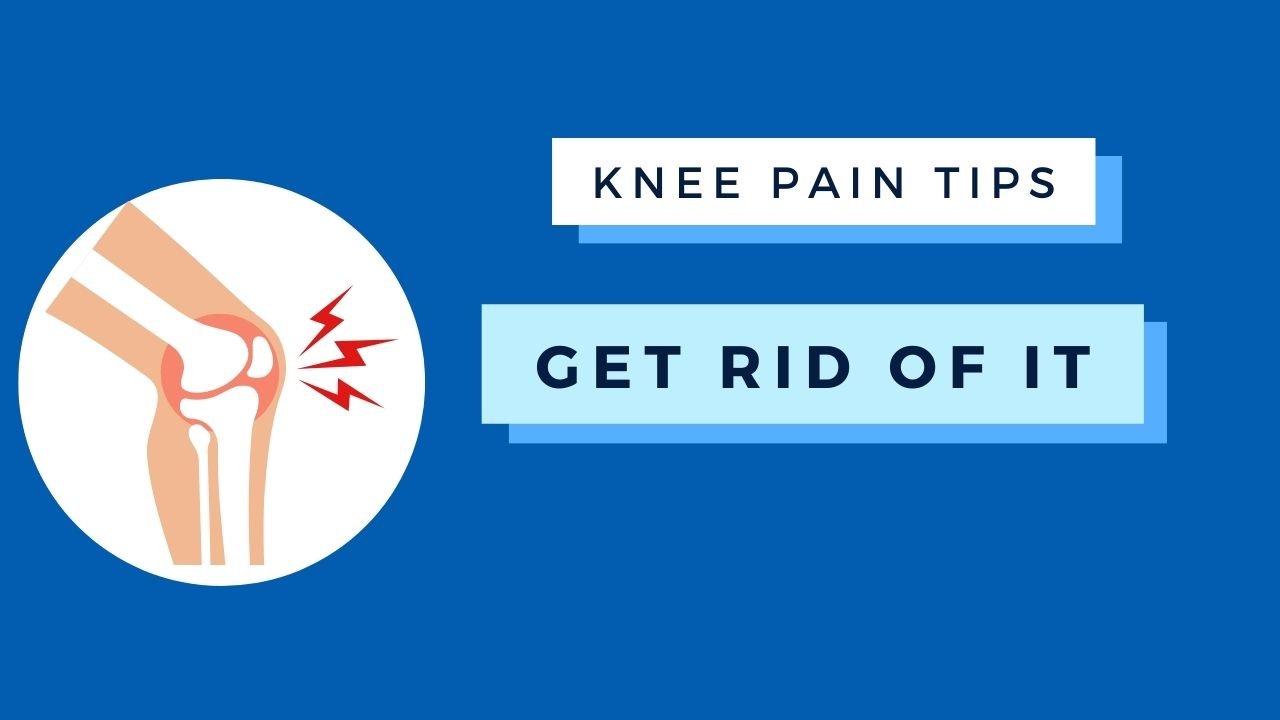
There are many options for pain relief for your knee. So which one is right for you? Painkillers, heat treatments and exercise are just three of the many methods that can help reduce or prevent pain. Keep reading to help you choose which one is for you.

You have knee pain and you know if you want to keep running you have to do something to get rid of it. The problem is when you ask other runners what they did you get so many different answers… so what works for you now? You don’t want to try every single thing that’ll take too long… so how do you know which one will work best right now? Keep reading to find out.

If you’re a runner and have knee pain, you may have heard from your doctor that weight loss is a good thing. Your doctor (and many others) will tell you the best way to help reduce knee pain and get rid of it is by losing weight. But is that really the answer?

That’s right! You can quickly get back to running again. Just follow the recommendations for your surgery and time-frame appropriately.
Continue reading, and I think you will be glad you did this after you discover my top recommendation, which has the best chance of making you feel great again and again without problematic pain forever!
You can keep running with arthritis. And you can do it without knee pain. Arthritis is a normal part of being a human and there are ways to keep it from getting worse… and stopping running isn’t one of them. It’s all about the balance of how much stress you put on your knees and the recovery and healing you give your knees. This article gives the steps on how to balance out the stress on your knees and letting them rest, too.

Hey Runner!
You’re feeling better and trying run farther or run faster. It’s frustrating because every time you run more your knee hurts so it’s like one step forward and two steps back. Keep reading because you’ll learn the exact things to focus on now including how to run farther without your knee hurting, how to run faster without your knee hurting, what strength exercises are best for you right now, the best shoes for running, the best stretches for your knee pain, what to do after a run to decrease knee pain, and how to fuel your body for your running routine now.

Hey Runner! How frustrating, your knee pain is all over the place! The pain isn’t as bad… but it doesn’t seem to go away. Some days it feels fine and other days it really hurts. This article will tell you exactly what to do now to get rid of the knee pain and help you get past this unpredictable pain.

The top recommendations to get rid of knee pain for runners at home. You'll notice that the main focus is on recovery (or pain relief) techniques and there are still strength exercises, ways to train, stretches to do and there may be some knee braces and supplements that can help.

You want to run farther without knee pain. You need to run your long run without knee pain. Read this short post to find out exactly how to run your long run longer without knee pain.

You want to run longer each week but each time you run longer your knee hurts. In this short post you'll learn exactly how to run longer without knee pain. If you've had a knee injury and are getting back to running after a knee injury this is a must read so you prevent knee pain from coming back during running.

You want to run farther but each time you run farther your knee hurts. In this short post you’ll learned exactly how to run farther without knee pain. If you have a knee injury and want to run you need to read this post so you can run without knee pain.

You want to run longer but each time you try your knee hurts. In this short post you’ll learn exactly what went wrong and what to do to run longer each run and run multiple days a week without knee pain.

Run faster without knee pain after reading this short post. This short post includes the key to running faster without knee pain.

Runners are sick of hearing running is bad for your knees. Find out how bad running is for your knees in this post. Link to short YouTube at the top.

Does rest get rid of knee pain? Your doctor told you to rest and stop running to cure your knee pain but will that work?

Many people will tell you running ruins your knees. That’s just not true. When they say you’ll ruin your knees if you keep running say this back.

Do you have knee arthritis? Do you want to decrease knee arthritis pain and inflammation? Women I work with have knee arthritis and they are working with me because they want to be active but knee arthritis is getting in the way. Read more to learn the 6 things to get rid of knee arthritis pain and inflammation.

Many women want to know how to decrease their chances of getting knee arthritis because they see how bad arthritis is in their mother, aunt, friend, you name it. To decrease your chances of getting knee arthritis it takes some focus on 6 elements worked into 1 thought: how S.T.R.E.S’D are your knees? There isn’t one way to decrease your chances of getting knee arthritis. And even if you do get knee arthritis it doesn’t have to be as bad as you’ve seen. In this article you’ll learn the 6 elements to decrease your chances of getting knee arthritis and what to do to keep the pain low or have no pain with knee arthritis.
There are many ways to get rid of pain and inflammation. Cortisone definitely is anti-inflammatory… but if the pain is caused by chronic inflammation, not acute inflammation, then cortisone doesn’t work well. Read to find out when I recommend cortisone injections.

Squats are an important motion in our everyday lives. We use a squat to be able to pick up items from the floor, sit down and get up from various things in our lives like a chair at dinner, the couch, the car, and the toilet. If someone can’t do a squat because their knees hurt too much and they want to or need to squat I recommend starting with the sit to stand exercise from high level chairs like a bar stool and over the course of weeks or months progressively lower the height of the chair until the height needed is reached.

You may need a gait analysis if you are a runner who regularly does strength and stretching and recently started having knee pain without having any other reason for why the pain came on. Someone who isn’t an athlete that has longstanding knee pain that has worsened over time can do a few things at home to see how they stand and walk including check if they have knock knees or bow legs, see if they can stand on one leg an dif they can does their hip drop, when they walk do they sway their hips side to side? For more information on how to fix these problems check out the full Youtube Video.

It’s unlikely you just need to stretch your hamstring to make the pain in the back of the leg go away. It may also be that you don’t have a hamstring injury at all but instead have Sciatica or irritation at the Sciatic nerve instead. Having an injury to the hamstring would prompt a progressive strength and stretching routine to rehab the hamstring, if you didn’t have an injury it’s more likely you have Sciatica symptoms from sitting so long at work, on the couch, etc. See your local physical therapist to get a program for Sciatica or a hamstring strain. For more information follow my page.
A quad strain can happen, it is more likely to happen to athletes than the non-athletic population. If you are in the general population you may have an injury to the quad tendon if you fall forward on your knees and give a quick stretch to the quad. The pain will likely be sharp at first and can remain for a while and become a more dull pain. A progressive strengthening and stretching program can rehab the quad strain.

You may have pain just below the kneecap, inferior to the kneecap, because of an imbalance in muscle strength and flexibility, partly in the quadriceps muscle as well as other muscles of the legs. When the quad contracts it tightens down the kneecap normally and if the imbalance is there it will add more pressure. My favorite treatment is to counter the pressure with my hand and massage below the knee cap.

Someone with a knee meniscus injury may feel pain, feel like their knee is giving way and may lock in place. The initial injury was from a non-contact twisting motion, or from repeated deep squatting for years at work. Building up good strength and flexibility can decrease the risk of injuring it. For more tips and tricks follow my page.

Grinding behind the kneecap, also called crepitus, is common due to arthritis wear and tear behind the kneecap. Tight quad muscles can contribute to kneecap grinding because of the pressure and tension that’s created. My favorite treatment for this grinding is cupping or a plunger to the kneecap to relieve pressure. For more tips and tricks follow along my page.

What I do when I have knee pain that limits my running: I assess the situation constantly, how does my knee feel at rest, walking, running, other movements. I always warm up, try a run and if that pain isn’t going away within 5 minutes I just continue to walk. I make sure I strength train at least 3 days a week and stretch after every workout no matter what kind of workout it is. FOr more tips and tricks follow my page.

To get better sleep with knee pain I recommend pain medication, joint/muscle rubs like Deep Blue, massage the area, use a Heating or a hot epsom salt bath, add some lavender to the bath, and sleep with your knee (really the whole leg) supported so your knee feels like it’s getting a cozy hug.

Training after a knee injury requires a strategic approach, one that takes your specific condition into account and tailors the training to your needs. You're not alone on this journey, and in this blog post, I’ll dive into the important aspects of training effectively while managing knee pain. Whether you're running or doing the run walk method, understanding how to navigate your training with knee pain will set you up for success.